Pioneering non-invasive diagnostics through breath analysis and volatile organic compound research — bringing early cancer detection closer to clinical reality.
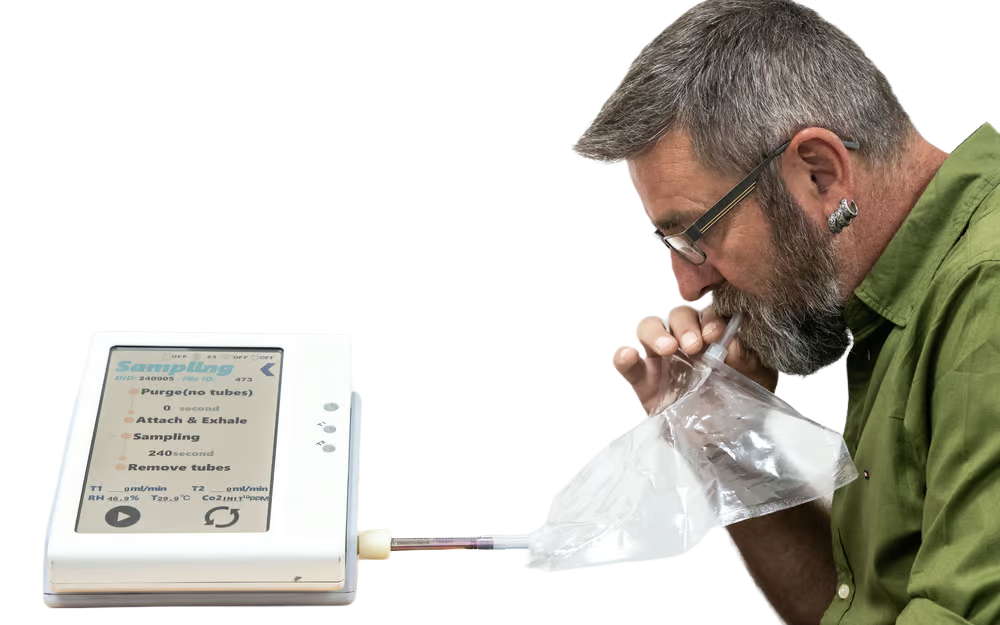
Our aim is to develop a single breath test to diagnose five major gastrointestinal cancers: oesophageal, gastric, pancreatic, liver and colorectal.
Analysing VOCs in exhaled breath as biomarkers for early-stage disease detection across multiple cancer types.
Profiling exhaleed VOC signatures using Thermal Desorption - Gas Chromatography - Time of Flight - Mass Spectrometry
The bespoke ML platform processes GC-MS breath data using molecular network analysis.
Large-scale multicentre trials across NHS trusts, 99% of patients find breath testing easy or very easy.
A novel breath test pathway designed to streamline suspected cancer referrals, minimise unnecessary invasive procedures and alleviate both the financial and operational strain on the NHS.
Biomarkers owned by Imperial College London. Over ten patents filed worldwide.
Local news outlet Newton News reported on the start of breath test trials in the North East, highlighting how patients in the region are now contributing to a study that could change how cancer is caught.
County Durham and Darlington NHS Foundation Trust joined the VAPOR2 and PANACEA studies, becoming one of the latest NHS sites to offer patients the opportunity to take part in breath test research.
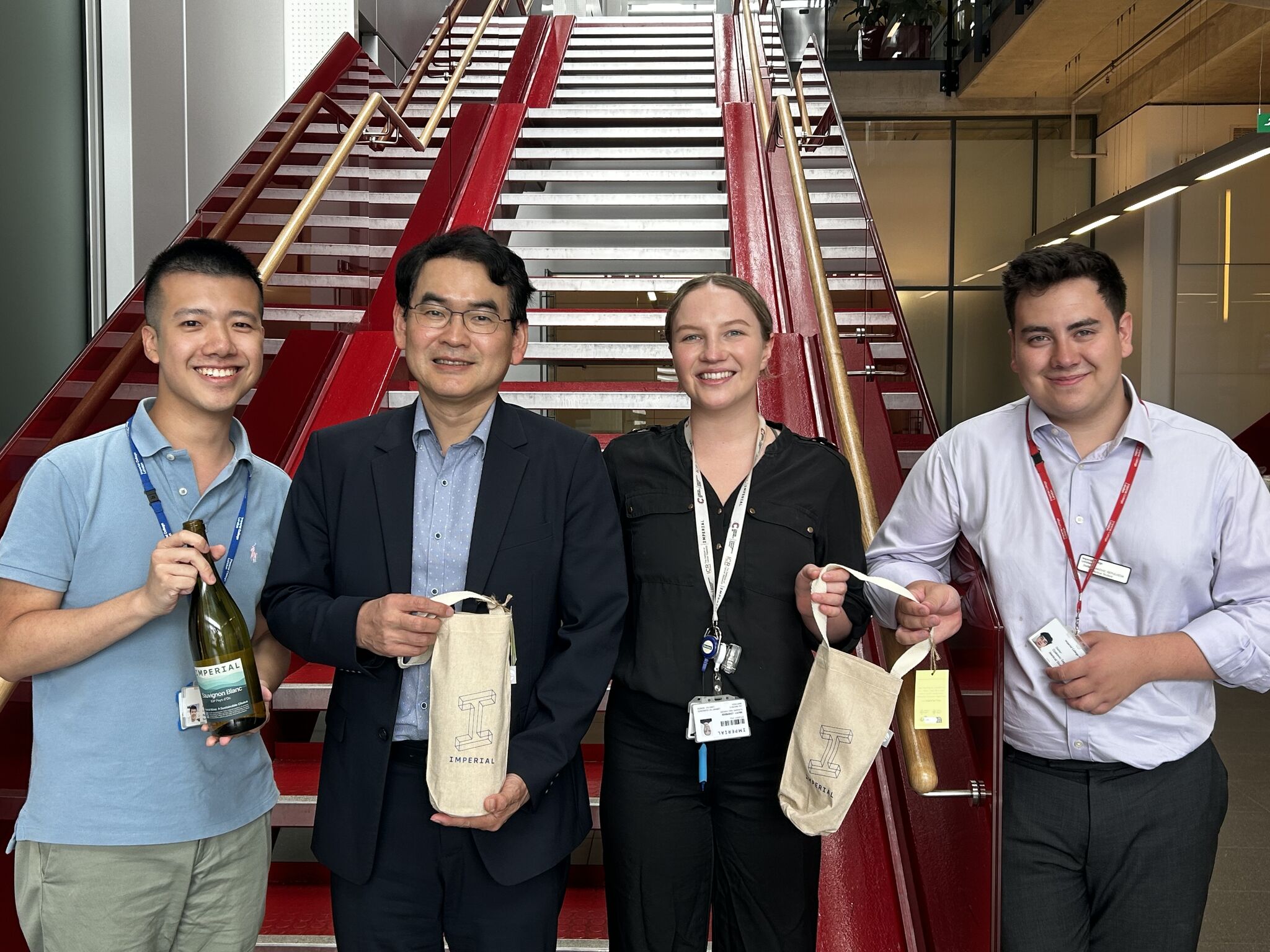
The Hanna Group hosted Professor Do Joong Park. We thoroughly enjoyed the discussion and looking forward to working together. It was enjoyable hearing about the landmark KLASS studies from the The Korean Laparoendoscopic Gastrointestinal Surgery Study Group (KLASS), and the advances in robotic surgeries. Many of our fellows are looking forward to visiting Professor Do Joong Park in Seoul.