BBC News has reported on the use of our breath test for the detection of pancreatic cancer. The piece highlights the importance of the early detection of pancreatic cancer.
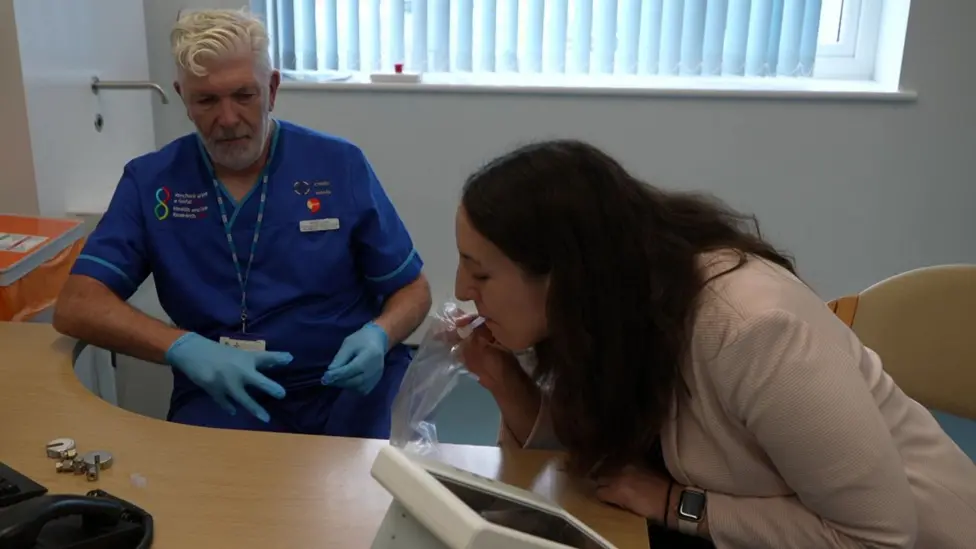
ITV Tyne Tees featured patients in the North East taking part in clinical trials exploring whether breath analysis could lead to earlier detection of multiple cancer types.
Local news outlet Newton News reported on the start of breath test trials in the North East, highlighting how patients in the region are now contributing to a study that could change how cancer is caught.
County Durham and Darlington NHS Foundation Trust joined the VAPOR2 and PANACEA studies, becoming one of the latest NHS sites to offer patients the opportunity to take part in breath test research.
ICH GCP reported on the launch of a new breath test study enrolling 1,000 patients with suspected stomach or bowel cancer — expanding the programme beyond pancreatic cancer.
Imperial's student newspaper Felix featured the Hanna Group's breath test research, exploring how we are using exhaled air to detect cancer before symptoms appear.
Professor George Hanna was referenced by name during House of Commons Public Bill Committee proceedings, recognising his contribution to cancer detection research.
In the House of Lords Grand Committee debate on cancer outcomes, our breath test was cited by the Baroness Warwick of Undercliffe as an example of an innovative diagnostic test that could help GPs triage patients with vague symptoms, with results potentially available within three days.

Pancreatic Cancer UK shared personal stories from patients and families affected by pancreatic cancer, illustrating the human impact behind the Hanna Group's breath test trial.
George Hanna has been elected as a Senior Investigator of the National Institute for Health and Care Research (NIHR), in recognition of his contribution to the NIHR, research inclusion, equality, diversity and inclusion, and leadership and capacity building.
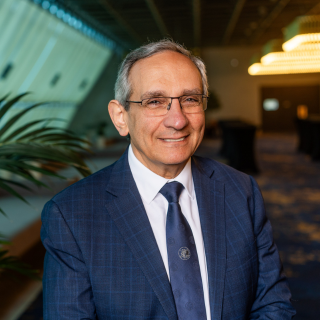
We welcomed Stuart Andrew MP, Shadow Secretary of State for Health and Social Care, to The Hanna Group. The visit included a tour of our VOC laboratory and an overview of our research programme and ongoing clinical trials.
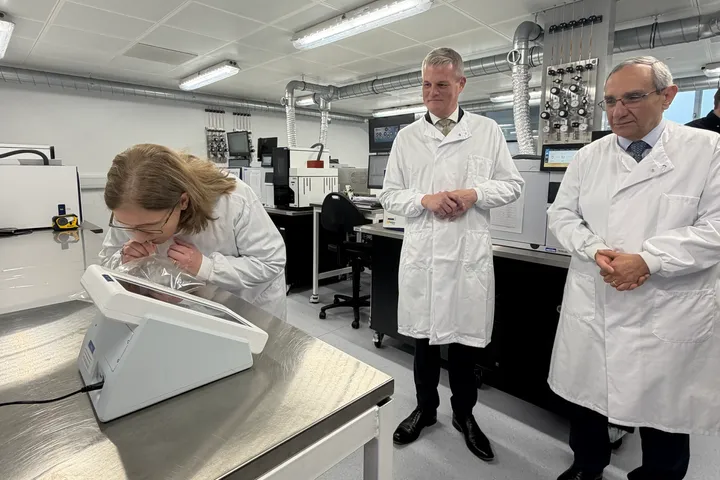
Senior shadow cabinet figures Stuart Andrew and Caroline Johnson visited the Hanna Group at Hammersmith to learn about the world-first pancreatic cancer breath test and its NHS potential.
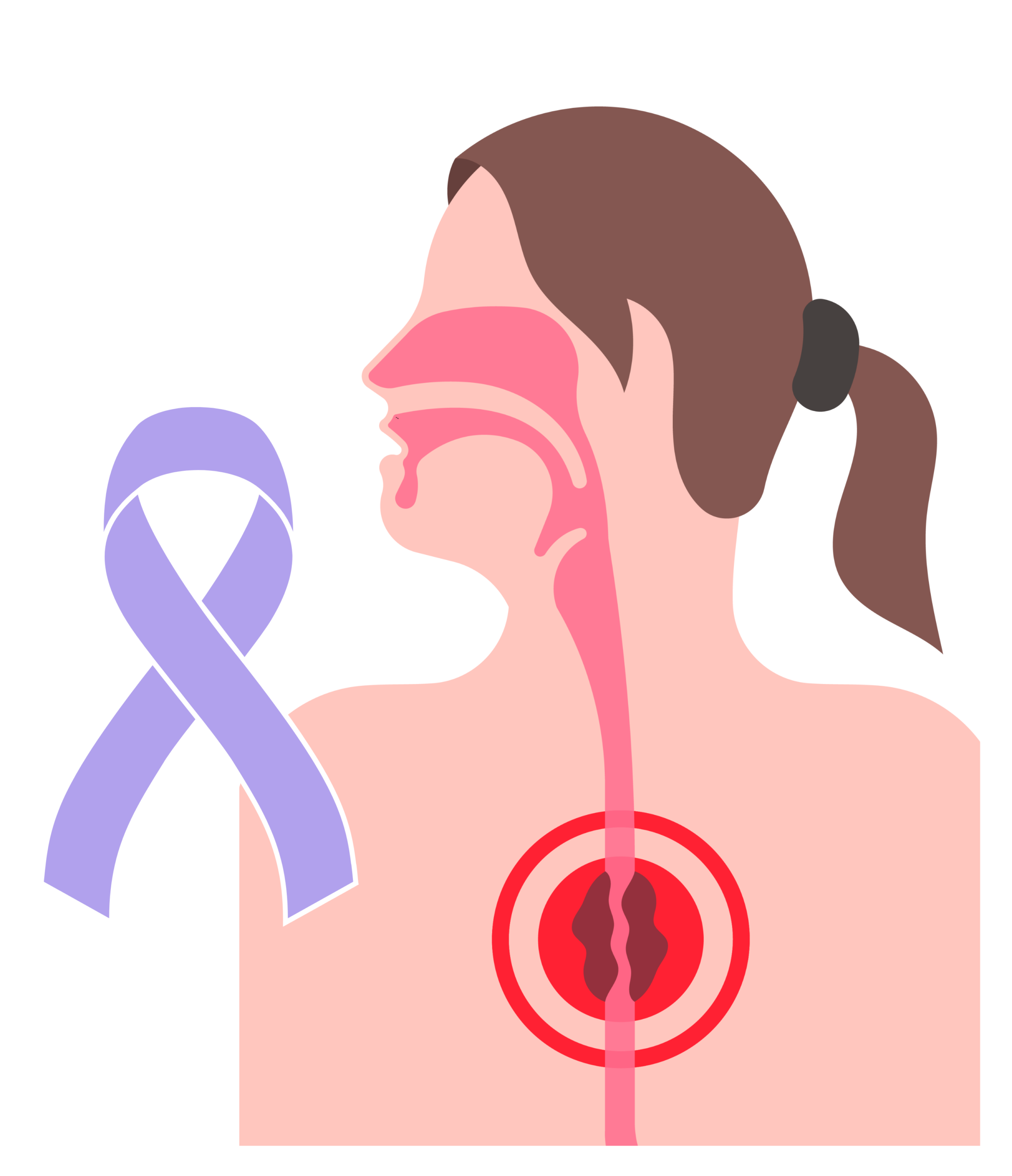
February is Oesophageal Cancer Awareness Month. Oesophageal cancer is one of the top five cancers worldwide — around 9,000 people are diagnosed in the UK each year. Our research focuses on developing non-invasive breath tests to detect cancer early by identifying unique volatile compounds present in higher numbers in the…
In the Commons debate on less survivable cancers 2026, the breath test was described by Paulette Hamilton MP as “transformative” and Steff Aquarone MP as “a real game changer”
A House of Commons Library briefing examined the outlook for less survivable cancers including pancreatic cancer, underscoring the urgent need for earlier detection methods.
International health platform Palema covered the ongoing VAPOR study, outlining how patients across NHS trusts are contributing to the world's most ambitious pancreatic cancer breath test.
Science platform Labroots explored the science behind the Hanna Group's VAPOR trials, asking whether a quick breath sample could one day become a standard test for pancreatic cancer.
Find out how a simple, painless breath test is using machine learning to sniff out the disease in its earliest stages, and why it could transform cancer screening forever.
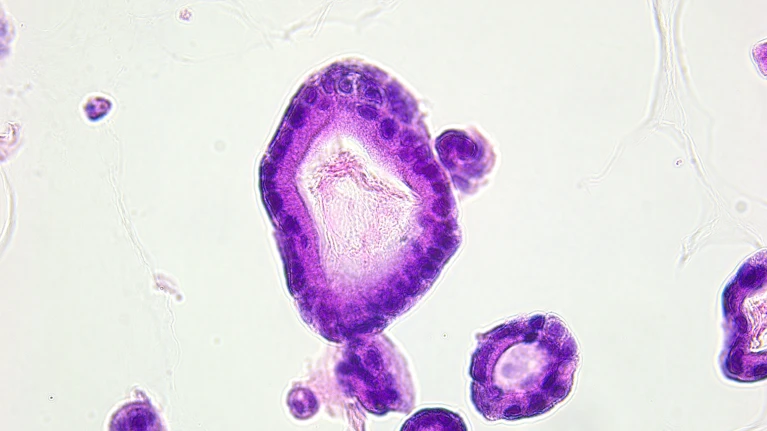
French platform Vibration covered our research, describing how a novel breathalyser-style test could enable earlier detection of one of Europe's most deadly cancers.
Canadian outlet Mugglehead reported on the scale of the VAPOR trial, covering the landmark partnership between Imperial College London and Pancreatic Cancer UK to test 6,000 patients.
Professor George Hanna has officially been elected as a Fellow of the EACS. This prestigious recognition highlights his exceptional contributions to surgical oncology and his relentless drive to revolutionise diagnostics.
Korean cancer information platform Cancer Answer published a detailed report on VAPOR, explaining how breath analysis works and why it could replace more invasive diagnostic procedures.
Healthcare Today reported on the official launch of our expanded pancreatic cancer breath test trial, marking a significant step towards clinical deployment across the NHS.
Cancer Research UK explored the emerging evidence for breath testing in stomach cancer, covering Hanna Group research showing that volatile compounds could reveal disease in its earliest stages.
The Department of Health and Social Care was questioned about the government's support for cancer research programmes, including non-invasive diagnostic development.
A further written parliamentary question pressed the Department of Health and Social Care on timelines for bringing pancreatic cancer breath tests to clinical practice.
The multiple media outlets highlighted our recent advancements in clinical screening for pancreatic cancer, showcasing the potential of our breath test to transform diagnostics.
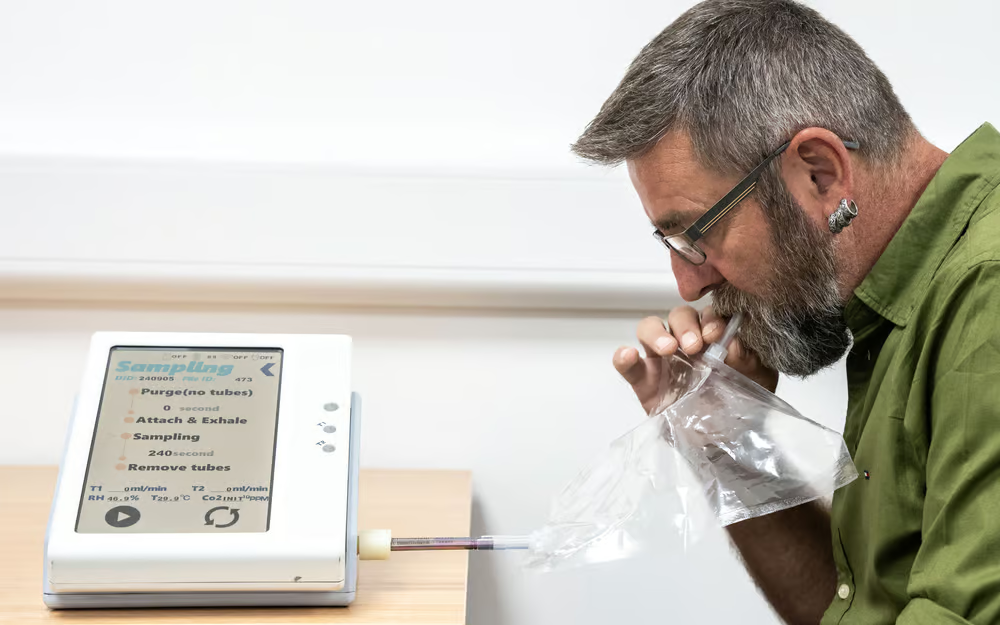
Pancreatic Cancer UK announced the launch of the VAPOR trial at scale, backed by £1.14m in funding — the largest investment yet in breath testing for pancreatic cancer detection.
Korean digital platform Insight covered the VAPOR trial launch, presenting it to readers as one of the most significant recent advances in cancer diagnostics from the UK.
South Korean news agency Newsis reported on the Imperial College pancreatic cancer breath test, reflecting the global reach of our research across East Asian media.
Hong Kong's Sing Tao Headline reported on the VAPOR trial, describing how a breath sample taking under a minute could identify pancreatic cancer risk with results in days.
Argentinian radio platform La 100 reported on the launch of our world-first pancreatic cancer breath test, reaching a Spanish-speaking audience across South America.
Yahoo News Canada shared the personal story of a widower supporting the VAPOR trial after losing his wife to pancreatic cancer, illustrating why earlier detection matters.
Pancreatic Cancer UK outlined the science and ambition behind VAPOR, explaining how the Hanna Group is working to develop the first clinically validated breath test for pancreatic cancer.
Japan's leading medical education platform CareNet reported on VAPOR1 findings, bringing the results of our pancreatic cancer breath test trial to the Japanese clinical community.
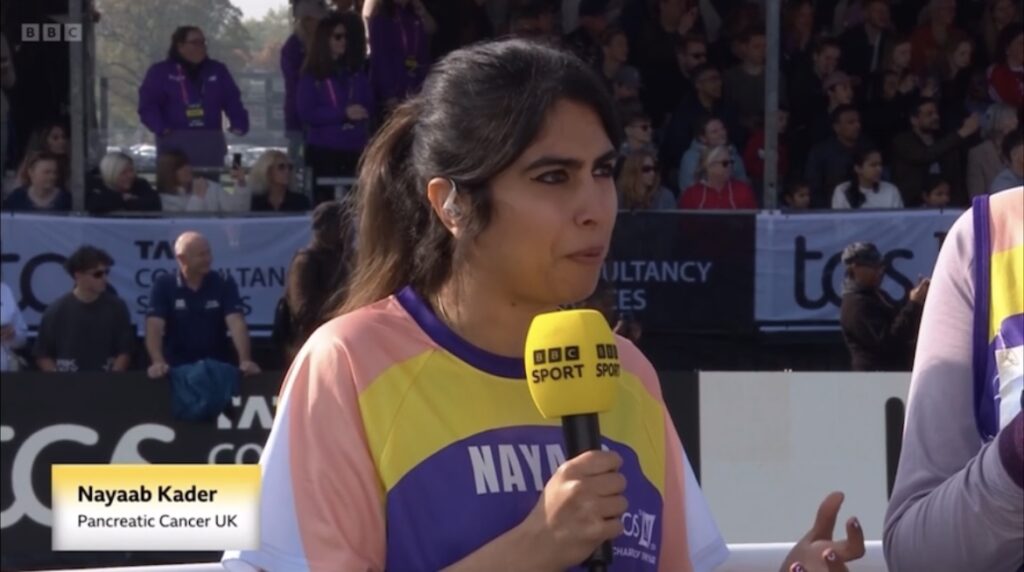
A huge congratulations to Nayaab N A Kader and Henry D P Robb for finishing the London Marathon and raising money for Pancreatic Cancer UK. Nayaab also had the chance to discuss our breath test for early diagnosis of pancreatic cancer with Gabby Logan on the BBC.
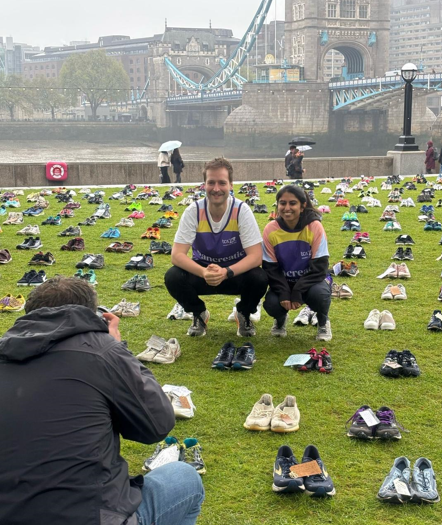
Henry D P Robb and Nayaab N A Kader attended the Shoes of Hope event ahead of representing Pancreatic Cancer UK at the London Marathon. The event displays 797 pairs of shoes, representing the number of lives lost every month to pancreatic cancer in the UK.
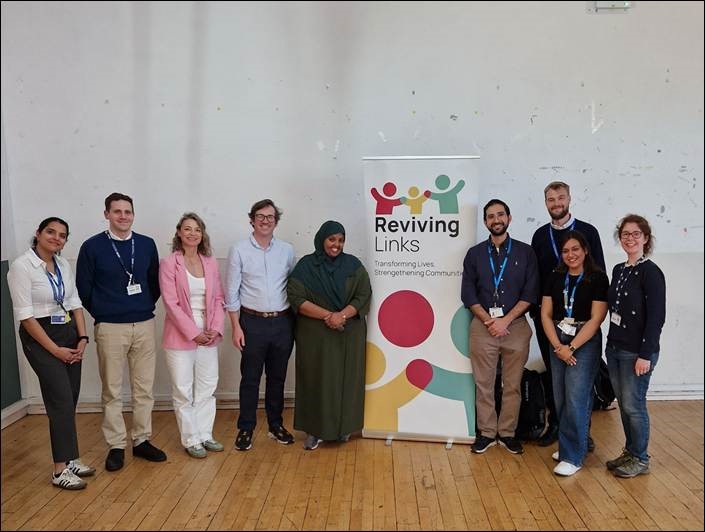
We held an event with our community partner Reviving Links to help set up an EDI advocacy group at Imperial College London, with productive discussions about barriers to recruitment in research and ways of creating a more inclusive research environment.
A written question submitted to the Department of Health and Social Care directly addressed progress and funding for pancreatic cancer diagnostics, including breath testing.
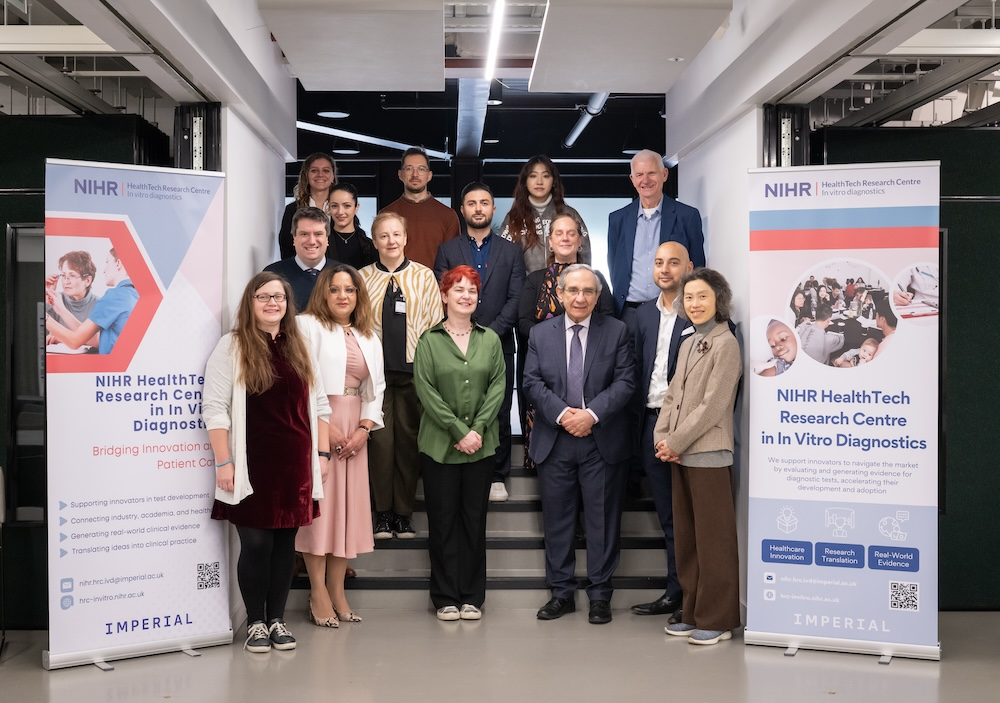
Professor George Hanna and team hosted the NIHR HealthTech Research Centre in In Vitro Diagnostics (HRC IVD) launch event, presenting the centre's exciting research that will support the development and adoption of diagnostics in healthcare.
Mohamed Abulazayem has sampled the first participant of the HOPE study at Hammersmith Hospital and Meadows Centre for Health — a key milestone for the trial.
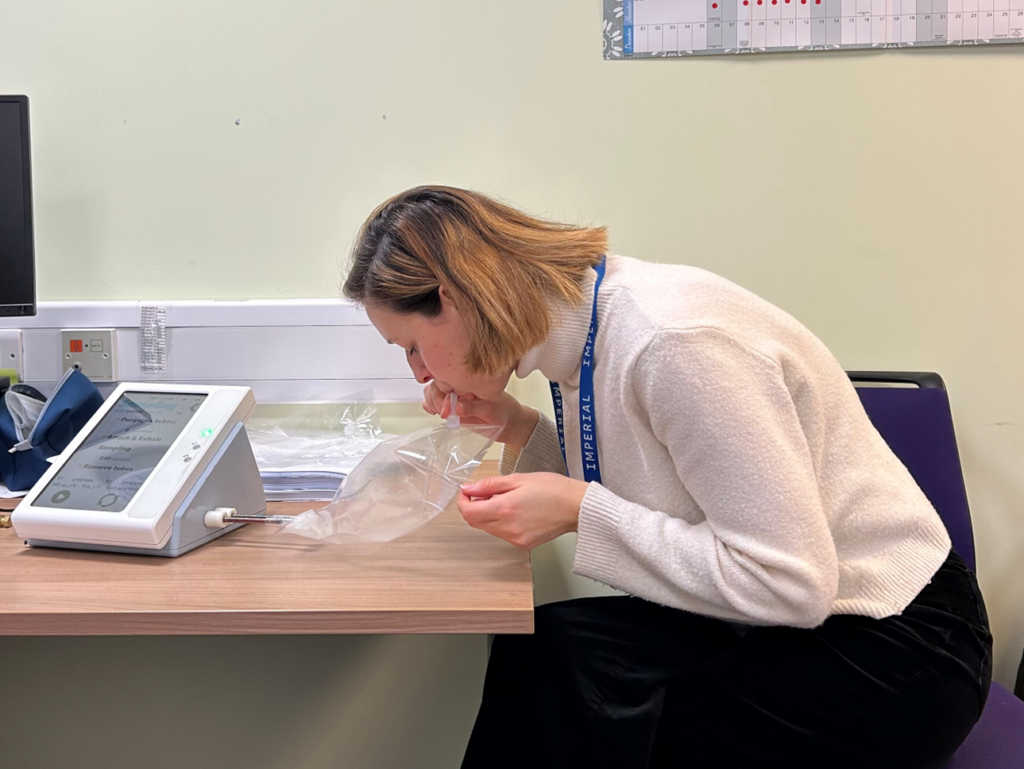
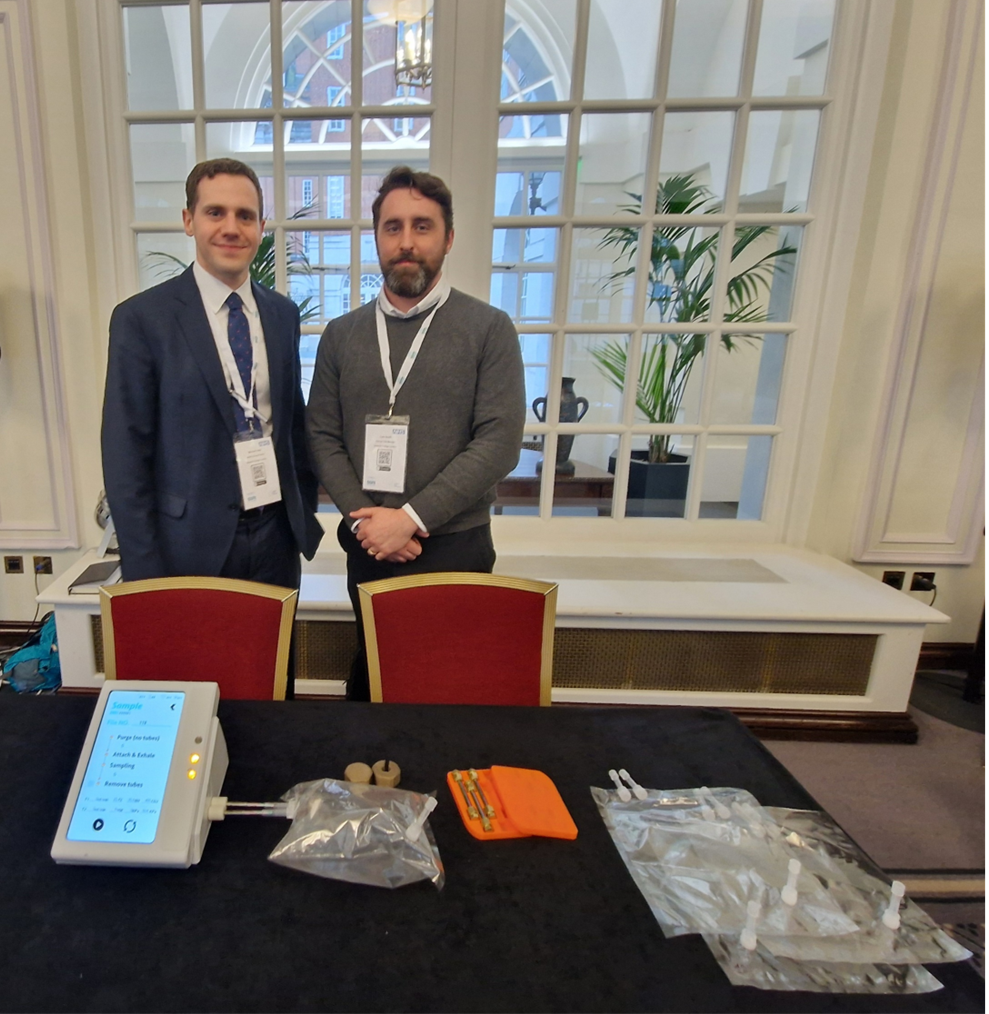
The PANACEA team was invited to present at the 'Innovation in the early diagnosis of cancer' event at the BMA House, London, hosted by NHS Cancer Programme.
In the House of Lords debate on the National Cancer Plan 2025, Lord Kamall cited our breath test and asked how Government and NHS processes could accelerate the roll-out of relatively low-cost innovations.
Combat Cancer explored the potential of the VAPOR trial to deliver the world's first validated breath test for pancreatic cancer, outlining what it could mean for patients and clinicians.
The Association of Medical Research Charities published a feature by Pancreatic Cancer UK staff, exploring whether breath testing could transform early diagnosis following a showcase at the House of Commons.
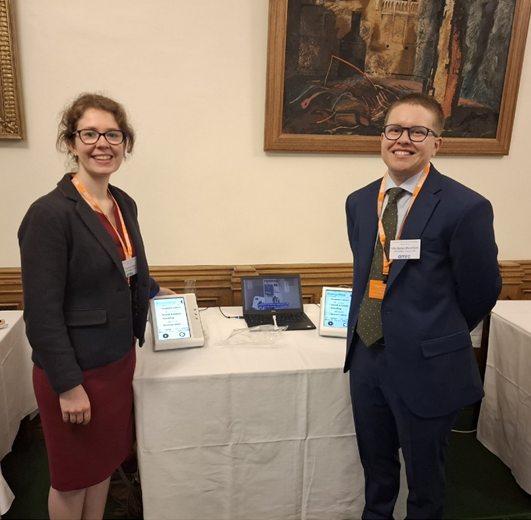
The VAPOR team joined Pancreatic Cancer UK at the Association of Medical Research Charities showcasing event at the House of Commons, discussing the urgent need for earlier detection in pancreatic cancer with ministers and MPs, and demonstrating our breath test in action.
VOC laboratory was also selected by the UK Committee on Research Integrity as a case study for adopting industry standards to increase efficiency and rigour in academic laboratory environments.
The NIHR Imperial Biomedical Research Centre announced funding for two cancer detection studies, including PANACEA.
A UK Government press release announced new partnerships to boost cancer detection technology, featuring breath test research as one of the most promising emerging diagnostics.
Imperial announced that the Hanna Group had secured major funding for PANACEA.
Swansea Bay University Health Board joined our VAPOR trial, testing whether a simple breath sample could detect pancreatic cancer before symptoms appear.
Greek media covered the Hanna Group's breath analysis programme, introducing the concept of early cancer detection through a simple exhalation to a Southern European audience.
Members of the Scottish Parliament discussed the importance of innovative diagnostics, including breath testing, during the annual Pancreatic Cancer Awareness Month debate.
Euronews reported on our clinical programme, explaining how volatile organic compounds in breath could help doctors detect cancer years before patients notice any symptoms.
Science correspondent Robin McKie reported in The Observer that large-scale UK breath test trials were approaching their conclusion, with results expected to shape future NHS screening.
The NIHR Imperial BRC reported that UK-wide breath test trials led by the Hanna Group had entered their final stages, with results expected to inform future clinical guidelines.
South Korean science platform DongA covered the progress of our multi-centre UK trials, highlighting the global significance of developing a non-invasive cancer detection test.
The Guardian covered the milestone moment as our large-scale clinical trials entered their final phase, with thousands of patients enrolled across NHS sites nationwide.
Ms Whately met Professor George Hanna, Head of the Department of Surgery and Cancer, Professor Jonathan Weber, Dean of the Faculty of Medicine, and representatives from the charity Pancreatic Cancer UK to see Professor Hanna’s work on developing breath tests to detect cancer earlier.
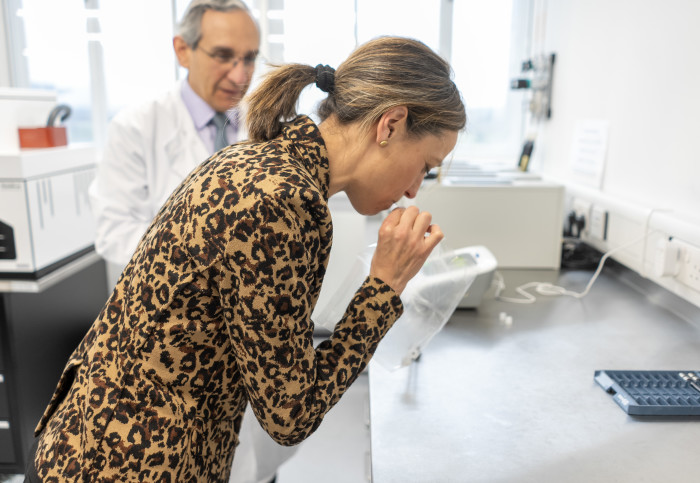
Channel 4 News visited our labs to explore how a simple breath test could detect oesophageal cancer — and why it could mark a breakthrough for diagnosing other cancers too.
Our breath test research was referenced during a House of Commons debate on Cancer Care, highlighting the potential of VOC analysis to transform early diagnosis.
Professor Hanna has been recognized for his outstanding contributions to biomedical research. Recognised alongside 60 of the influential people in biomedical and health research, this election cements his impact on the future of healthcare.
The NIHR Imperial BRC highlighted early-stage findings supporting the potential of breath testing as a viable screening tool for pancreatic cancer, one of the hardest cancers to detect early.
Imperial reported on a 132-patient study published in the British Journal of Surgery showing 81% accuracy in detecting pancreatic cancer through breath analysis — a landmark result.
China's People's Daily health platform reported on Imperial College London's breath test studies, reflecting growing international interest in non-invasive cancer diagnostics.
Medical Express covered the 2018 breakthrough study, describing how the Hanna Group's breath test demonstrated high accuracy in detecting oesophageal and gastric cancer at earlier stages.
ABC News reported on the economic and clinical case for breath testing, arguing that early detection through non-invasive methods could save lives and reduce NHS costs significantly.
Cancer Research UK highlighted our work, reporting on a study showing the breath test could identify oesophageal cancer patients with strong accuracy in a clinical setting.
Imperial reported a significant breakthrough in breath test accuracy, with new data showing the test could identify oesophageal and gastric cancer in patients with high reliability.
The ASCO Post covered data from the European Cancer Congress showing our breath test's potential, presenting it to an international oncology audience as a compelling non-invasive tool.
French medical platform Frequence Medicale reported on breath test accuracy data, highlighting how volatile organic compound analysis showed 85% reliability in detecting gastric cancer.
PharmaTimes reported on early trial results demonstrating that the Hanna Group's breath test could detect cancer reliably, describing it as a significant step towards a non-invasive diagnostic.
Science Daily covered ECCO 2017 presentations showing how volatile compounds in exhaled breath could provide a quick, painless method for flagging suspected oesophageal and gastric cancer.
E Cancer reported on findings presented at the European Cancer Congress, where our breath test data showed it could identify stomach and oesophageal cancers with promising accuracy.
Australian broadcaster SBS News covered early-stage research from the Hanna Group, reporting on how a simple breath sample could help doctors identify cancer without invasive procedures.
Sky News reported on early-stage breath test research showing potential to detect oesophageal and stomach cancers non-invasively, calling it a potentially life-saving innovation.
Professor George Hanna discussed the growing burden of oesophageal cancer with Imperial's communications team, explaining how breath testing could help address rising diagnosis rates.
Science Daily covered initial research from the Hanna Group, reporting on early evidence that chemical compounds in breath could reliably distinguish cancer patients from healthy volunteers.
Medical Express reported on the Hanna Group's earliest published findings, describing how a non-invasive breath test could provide a practical alternative to endoscopy for initial cancer screening.
Imperial College London published the first major announcement of our breath test research, reporting on early evidence that volatile organic compounds could detect oesophageal and gastric cancer.